Red Sea Shipping Routes Stabilise as Insurance Premiums Halve
After eighteen months of disruption, war-risk premiums for transits through Bab el-Mandeb have fallen to their lowest level since 2023.
Lloyd's of London syndicates have cut war-risk premiums on Red Sea transits to roughly 0.35 percent of hull value, down from a peak of 0.9 percent last summer, as Houthi attack frequency has fallen sharply over the past quarter.
The improvement has measurable consequences for global trade. Maersk, CMA CGM and Hapag-Lloyd are gradually returning capacity to the Suez route, shaving an average of nine days off Asia-Europe transit times and pulling spot container rates down by close to 30 percent.
The implications extend beyond shipping. Egypt's Suez Canal Authority recorded a 22 percent year-on-year increase in toll receipts in April — a meaningful boost for a sovereign whose external position remains fragile despite last year's IMF programme.
Risk officers at major energy traders caution against complacency. The structural drivers of the conflict remain unresolved, and a single high-profile incident could reverse the normalisation overnight.
More from Economy

Fed Pivot Signals a New Era for Global Capital Allocation
Chair Powell's measured shift toward easing redraws the map for sovereign wealth, pension funds, and emerging-market debt — with consequences that will reach far beyond Wall Street.
Gulf Sovereign Wealth: The New Architects of Global Capital
From AI to luxury infrastructure, funds in Abu Dhabi, Riyadh, and Doha are deploying capital with a strategic patience that Western institutions can no longer match.
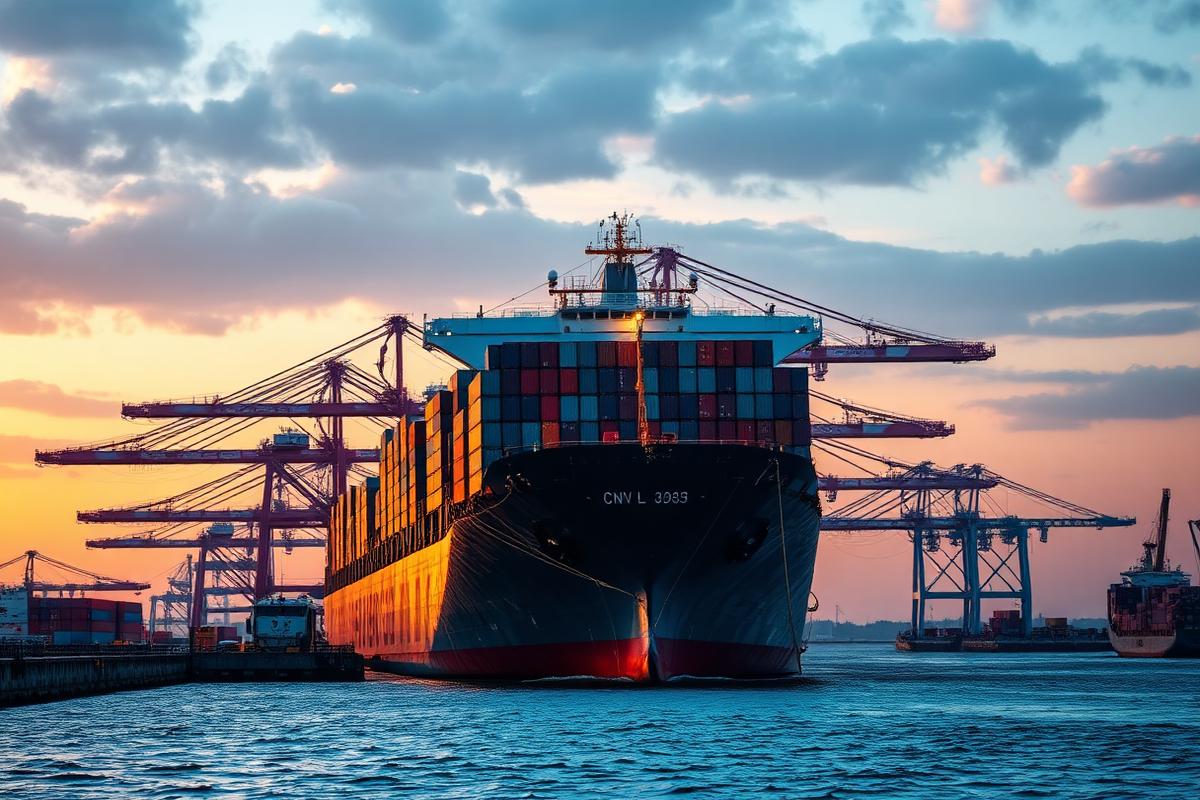
The Supply-Chain Decade: Resilience Becomes a Balance-Sheet Issue
Five years after the pandemic exposed the fragility of just-in-time logistics, corporate boardrooms are still rewriting the global map of production.