Gulf Sovereign Wealth: The New Architects of Global Capital
From AI to luxury infrastructure, funds in Abu Dhabi, Riyadh, and Doha are deploying capital with a strategic patience that Western institutions can no longer match.
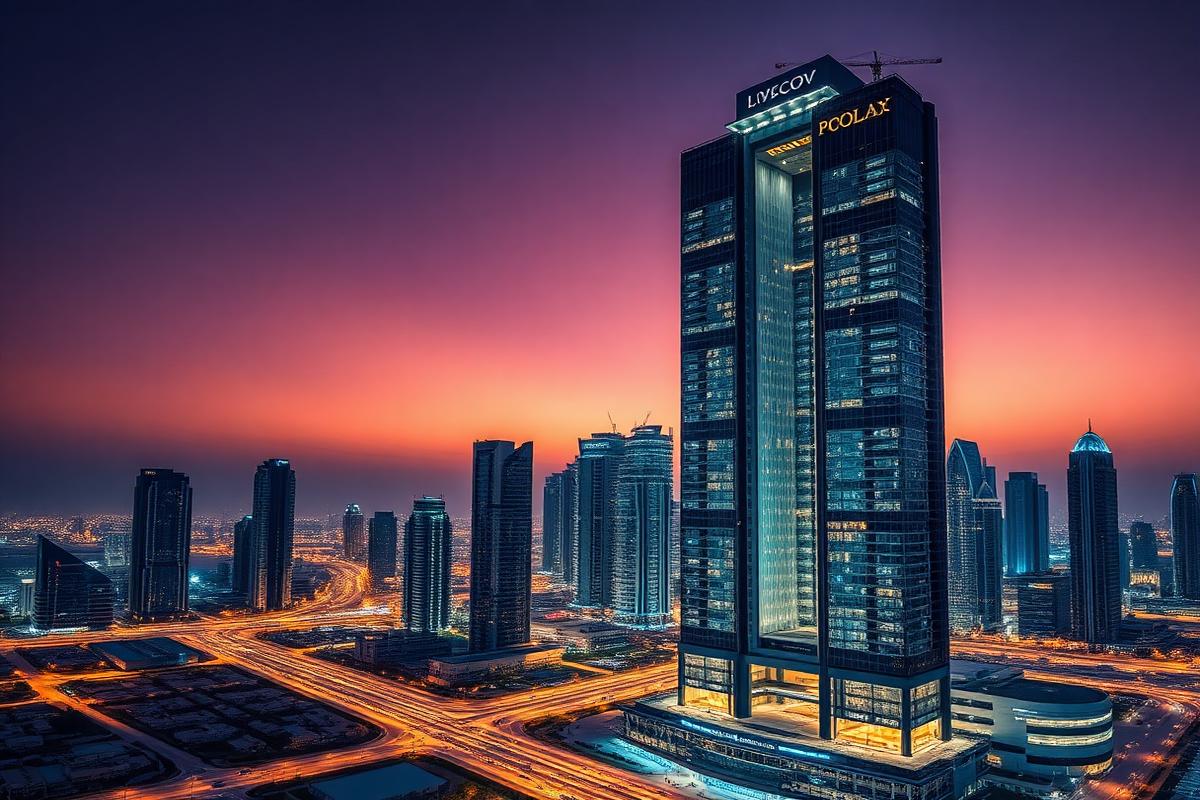
The most consequential capital allocators of this decade do not work in Manhattan or the City of London. They work in low-rise office buildings on Abu Dhabi's Corniche, in Riyadh's King Abdullah Financial District, and in Doha's West Bay. Together, the major Gulf sovereign wealth funds now control more than $4.8 trillion in assets — a figure that, on current trajectories, will exceed $7 trillion by the end of the decade.
What distinguishes them from earlier cohorts of sovereign investors is not the scale of their balance sheets, considerable as that is, but the strategic coherence of their deployment. Saudi Arabia's Public Investment Fund has anchored the country's industrial diversification under Vision 2030 with stakes in everything from electric-vehicle manufacturing to semiconductor design to gaming. Mubadala has built one of the world's largest aerospace portfolios and is now a top-three investor in private credit globally. ADIA, traditionally the most discreet of the Gulf funds, has quietly become one of the largest backers of AI infrastructure outside the United States.
The pattern is consistent. These funds are no longer passive recipients of oil revenue seeking diversification. They are active architects of the industrial economies their countries intend to inhabit by mid-century.
The implications for global capital markets are profound. When PIF takes a meaningful position, deal terms are reset for an entire sector. When ADIA backs a private-equity fund, fundraising closes within weeks. When Mubadala anchors a venture round, Silicon Valley pays attention.
The relationship runs both ways. Western asset managers, facing a multi-year decline in net inflows from public pensions and endowments, are increasingly dependent on Gulf capital. The largest private-equity firms now derive between 25 and 40 percent of their LP capital from the region.
There are tensions, of course. The funds operate at the intersection of commercial discipline and national strategy, and that intersection is not always comfortable. Geopolitical risk remains a live consideration. But the trajectory is unmistakable: the centre of gravity of global institutional capital is shifting east and south, and the Gulf is its new fulcrum.
More from Economy

Fed Pivot Signals a New Era for Global Capital Allocation
Chair Powell's measured shift toward easing redraws the map for sovereign wealth, pension funds, and emerging-market debt — with consequences that will reach far beyond Wall Street.
The Supply-Chain Decade: Resilience Becomes a Balance-Sheet Issue
Five years after the pandemic exposed the fragility of just-in-time logistics, corporate boardrooms are still rewriting the global map of production.
ECB Holds Steady as Inflation Path Diverges From the Fed
Lagarde signals patience as eurozone disinflation stalls, widening the policy gap with Washington and reshaping the cross-Atlantic rate trade.