The Supply-Chain Decade: Resilience Becomes a Balance-Sheet Issue
Five years after the pandemic exposed the fragility of just-in-time logistics, corporate boardrooms are still rewriting the global map of production.
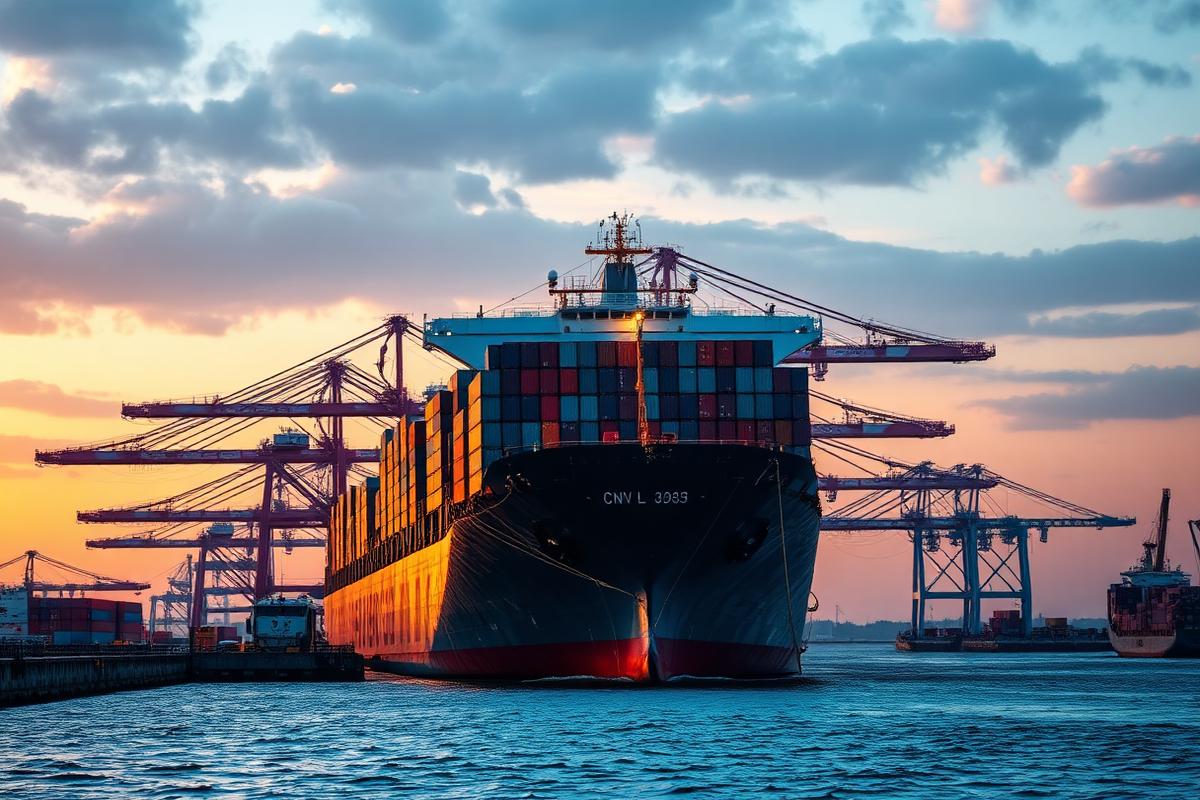
The phrase "supply-chain resilience" entered the corporate lexicon during the chaotic months of 2020 and never quite left it. What began as a tactical response to acute disruption has become, half a decade later, a structural rewrite of how multinational companies think about production geography.
The numbers are striking. Foreign direct investment into Mexico has more than doubled since 2019. Vietnamese manufacturing capacity, particularly in electronics, has expanded at a pace that the country's infrastructure is struggling to keep up with. India's share of global electronics exports has risen sharply, propelled by deliberate industrial policy. Poland and Hungary have absorbed European reshoring at scale.
The animating logic is no longer simply cost arbitrage. Boardrooms are now explicitly pricing geopolitical risk, climate risk, and the risk of regulatory disruption into supply-chain decisions in a way that would have seemed alien a decade ago.
Capital follows. The cost of building redundancy is real — typically 15 to 25 percent above pure cost-optimised baseline, by McKinsey estimates — and increasingly viewed by corporate treasurers as a necessary form of insurance rather than a discretionary expenditure.
The implications for emerging markets are, in aggregate, hugely positive. Countries positioned to absorb diversified production are receiving capital flows of a magnitude they have not experienced since the early 2000s.
The implications for China are more complex than the simple "decoupling" narrative suggests. Chinese manufacturing remains globally dominant, and the country's industrial policy response has been formidable. But the days of unquestioned reliance on a single production geography are clearly over.
More from Economy

Fed Pivot Signals a New Era for Global Capital Allocation
Chair Powell's measured shift toward easing redraws the map for sovereign wealth, pension funds, and emerging-market debt — with consequences that will reach far beyond Wall Street.

Gulf Sovereign Wealth: The New Architects of Global Capital
From AI to luxury infrastructure, funds in Abu Dhabi, Riyadh, and Doha are deploying capital with a strategic patience that Western institutions can no longer match.
ECB Holds Steady as Inflation Path Diverges From the Fed
Lagarde signals patience as eurozone disinflation stalls, widening the policy gap with Washington and reshaping the cross-Atlantic rate trade.