Real Estate Technology and the Modernisation of an Old Asset Class
From digital twins and predictive maintenance to tokenized ownership and global participation, real estate is being re-engineered at every layer of its operating stack.

Real estate has historically been one of the slowest asset classes to modernise. The operational layer — leasing, maintenance, valuation, ownership transfer — has remained recognisably analogue even as adjacent industries digitised. That is changing on multiple fronts simultaneously.
Digital twin infrastructure is reducing the cost of operating large portfolios. Predictive maintenance is compressing capex cycles. Cross-border investor onboarding is becoming operationally tractable through KYC and identity rails that did not exist a decade ago. Tokenized ownership structures are widening participation without diluting the underlying claim.
Read together, these developments amount to the most significant operational upgrade real estate has experienced since the introduction of the modern REIT. The asset class is not being replaced. It is being re-engineered.
More from Research
Real World Assets: The Institutional Thesis for Bringing Off-Chain Value On-Chain
From treasuries and private credit to real estate and commodities, the tokenization of real-world assets is moving from thought-experiment to balance-sheet reality at the largest financial institutions in the world.
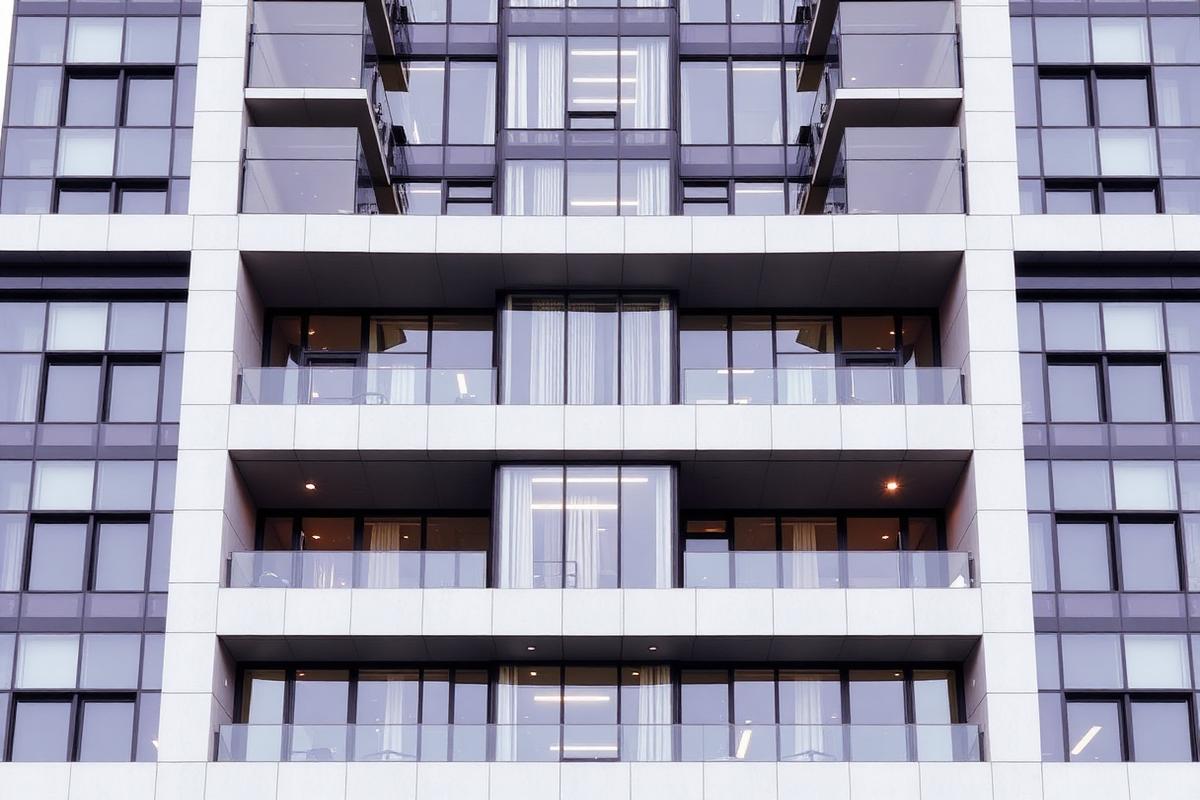
Tokenized Real Estate: From Pilot Project to Recognised Asset Class
After half a decade of pilots, the legal, custodial and platform infrastructure required for institutionally credible tokenized real estate is finally arriving — and reshaping how property is owned, traded and financed.

What Is RWA? A Primer for Institutional Allocators
A working definition of Real World Assets, the categories most active today, and the operational questions allocators should be asking before committing capital.