Blockchain Infrastructure: The Quiet Rebuild of Financial Plumbing
Settlement layers, custody networks, oracle systems and identity infrastructure are being assembled into an institutional-grade stack that has little in common with the retail crypto narrative of the previous cycle.
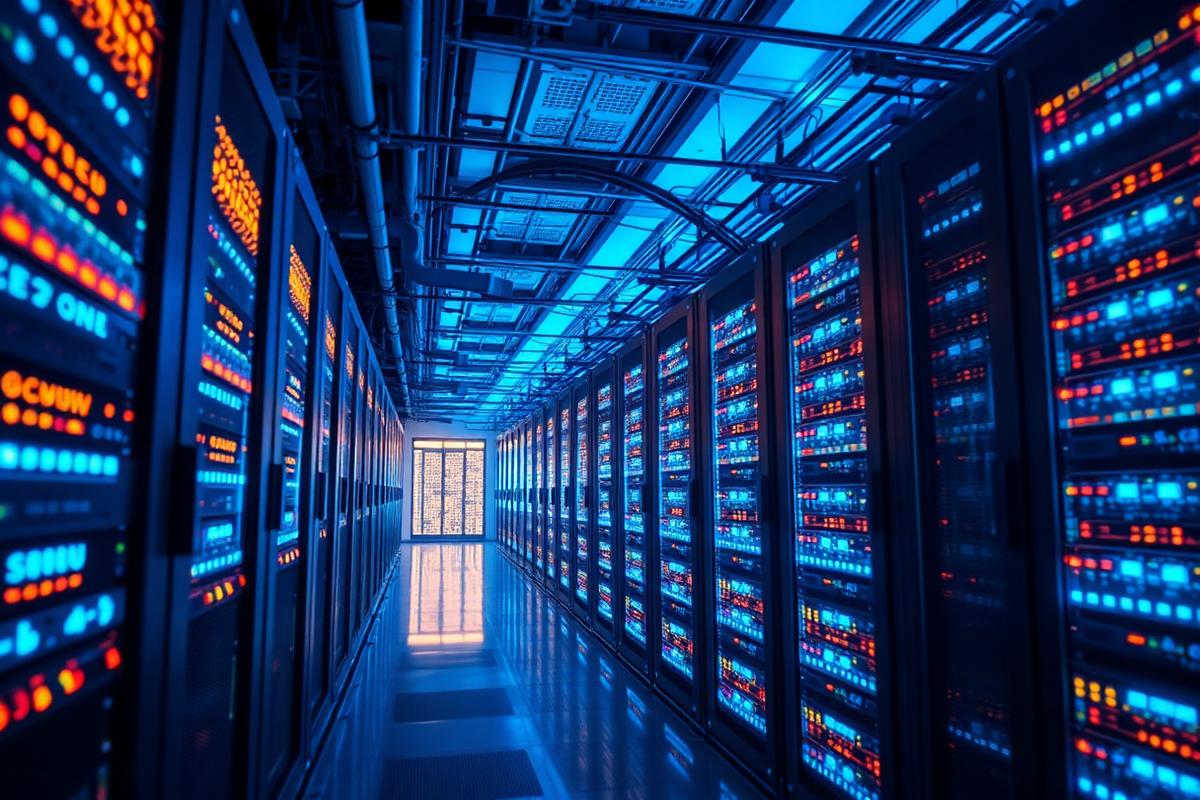
The cycle that defined crypto in the public imagination — exchanges, tokens, retail speculation — is no longer where the most consequential building is happening. The work that matters now is infrastructural: settlement layers engineered for institutional throughput, custody networks built to satisfy qualified-custodian standards, oracle systems that bring off-chain data on-chain with audit-grade reliability, and identity primitives that allow regulated counterparties to transact without abandoning compliance posture.
Each of these layers is being built by specialised teams operating largely outside public attention. Together they constitute the plumbing on which tokenized treasuries, private credit and real estate ultimately depend. Without this stack, RWA is a slide deck. With it, RWA is a settlement system.
The question for the next several years is not whether this infrastructure will exist — it does, and it works — but how quickly the legacy financial system migrates onto it. The migration is unlikely to be dramatic. It will look like clearing cycles compressing, reconciliation costs falling, and operational headcount in middle-office functions slowly being redeployed.
More from Research
Real World Assets: The Institutional Thesis for Bringing Off-Chain Value On-Chain
From treasuries and private credit to real estate and commodities, the tokenization of real-world assets is moving from thought-experiment to balance-sheet reality at the largest financial institutions in the world.

Tokenized Real Estate: From Pilot Project to Recognised Asset Class
After half a decade of pilots, the legal, custodial and platform infrastructure required for institutionally credible tokenized real estate is finally arriving — and reshaping how property is owned, traded and financed.

What Is RWA? A Primer for Institutional Allocators
A working definition of Real World Assets, the categories most active today, and the operational questions allocators should be asking before committing capital.